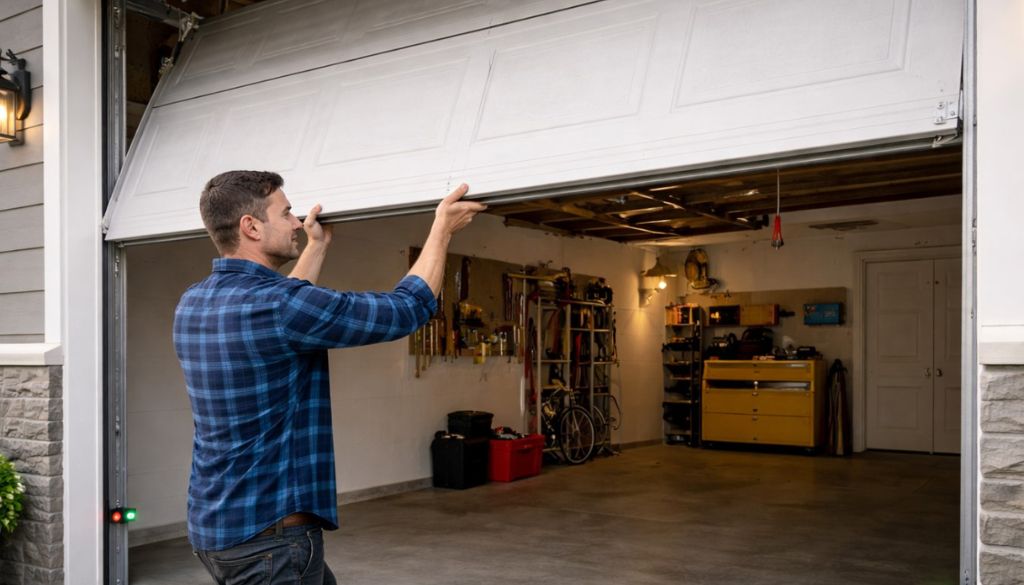
How to Replace Garage Door Rollers: A Step-by-Step Guide for 2025
What Tools and Materials Do I Need to Replace Garage Door Rollers?
Before starting your garage door roller replacement project, it's important to gather all necessary tools and materials to ensure the job runs smoothly. You will need:
- Rollers replacement kit: Choose between nylon rollers, which reduce noise, or steel rollers, known for their durability. Pay attention to the roller diameter to match your existing door tracks and brackets.
- Wrench and screwdriver: Essential for loosening and tightening bolts, screws, and brackets that hold the rollers in place.
- Drill with metal bits: Used to remove rivets or stubborn screws when detaching old rollers.
- Replacement brackets and bearings: If existing components show signs of wear or damage, having replacements on hand is recommended.
- Lubricant: A high-quality silicone-based lubricant designed for garage door parts will help maintain smooth roller operation after installation.
Choosing the correct roller diameter and type according to your garage door panel and track system is critical for proper fit and long-lasting performance.
How Do I Safely Prepare My Garage Door Before Replacing Rollers?
Garage doors are complex systems under significant tension due to springs and cables. Proper safety precautions are essential before attempting roller replacement:
- Disconnect the garage door opener: Pull the emergency release cord to disengage the door from the motorised chain drive or belt drive system. This prevents unexpected door movement.
- Secure the garage door: Use locking pliers or clamps to hold the door open firmly on the tracks, preventing it from closing suddenly during work.
- Handle door tension carefully: Doors equipped with torsion or extension springs store energy that can cause injury. Unless you have experience with spring adjustment, it is safer to seek professional assistance before proceeding.
- Disable safety sensors and remote controls: Switch off any door sensors and remove batteries from remote controls to avoid accidental activation while working.
By preparing the garage door properly, you protect yourself from injury and avoid damage to panels, cables, or other components.
What Are the Steps to Remove Old Garage Door Rollers?
Removing worn or damaged rollers involves careful handling of garage door panels, hinges, and tracks to maintain alignment and prevent damage:
- Open and secure the door fully: Fully raise the garage door and lock it in place using clamps on the tracks.
- Locate the roller bracket: Identify where each roller attaches to the garage door panel and hinges via brackets and bolts.
- Remove bolts or screws: Using a wrench or screwdriver, loosen and remove the fasteners holding the roller brackets.
- Drill out rivets if present: Some rollers are riveted for strength. Carefully drill out these rivets without damaging the surrounding door frame or panel.
- Slide out the rollers: Gently slide the rollers out of the track rollers, taking care not to bend or misalign the tracks.
- Inspect adjacent parts: Examine the door frame, hinges, and tracks for wear or damage that might need attention before installing new rollers.
Following these steps carefully ensures safe removal without compromising the garage door’s structural integrity.
Our Sponsor
A1 Garage Doors Gold Coast
A1 Garage Doors Gold Coast is a Bundall-based garage door specialist serving the southern Gold Coast and surrounding suburbs with installation, repair, maintenance, and emergency garage door services. The company specializes in sectional doors, roller doors, garage door openers, spring and cable replacement, opener motor repair, smart-enabled installations, and 24/7 emergency call-outs across Robina, Burleigh Heads, Surfers Paradise, Nerang, Coomera, and the wider Gold Coast region.
Address:
1 Waterford Court,
Bundall,
QLD
4217,
Australia
Phone: (07) 5515 0277
Business Hours:
- Open 24/7 — Including After-Hours and Emergency Call-Outs
Follow Us:
How to Install New Garage Door Rollers Properly?
Installing new rollers correctly is key to restoring smooth, efficient garage door movement and reducing noise:
- Clean garage door tracks thoroughly: Remove dust, dirt, and debris from inside the tracks using a cloth and mild cleaner to allow unhindered roller movement.
- Select appropriate rollers: Nylon rollers provide quieter operation, ideal for homes concerned about garage door noise; steel rollers offer greater durability for heavy-use or commercial doors.
- Insert new rollers into brackets: Ensure bearings turn freely before installing onto the garage door panel.
- Secure roller brackets: Reattach the brackets firmly using bolts or screws. Where possible, opt to use bolts instead of rivets for easier future maintenance.
- Apply lubricant: Use garage door-specific silicone lubricant on rollers, bearings, and tracks to reduce friction and extend lifespan.
- Check roller alignment: Confirm that rollers sit properly inside the tracks without wobbling, sticking, or exerting excessive pressure on hinges or door panels.
- Test the door movement manually: Before reconnecting the garage door opener, open and close the door by hand to verify smooth travel and even balance.
Proper installation and lubrication will minimise garage door noise and prevent premature roller failure.
How Can I Maintain My Garage Door Rollers to Extend Their Lifespan?
Regular maintenance improves garage door reliability and reduces the frequency of roller replacements:
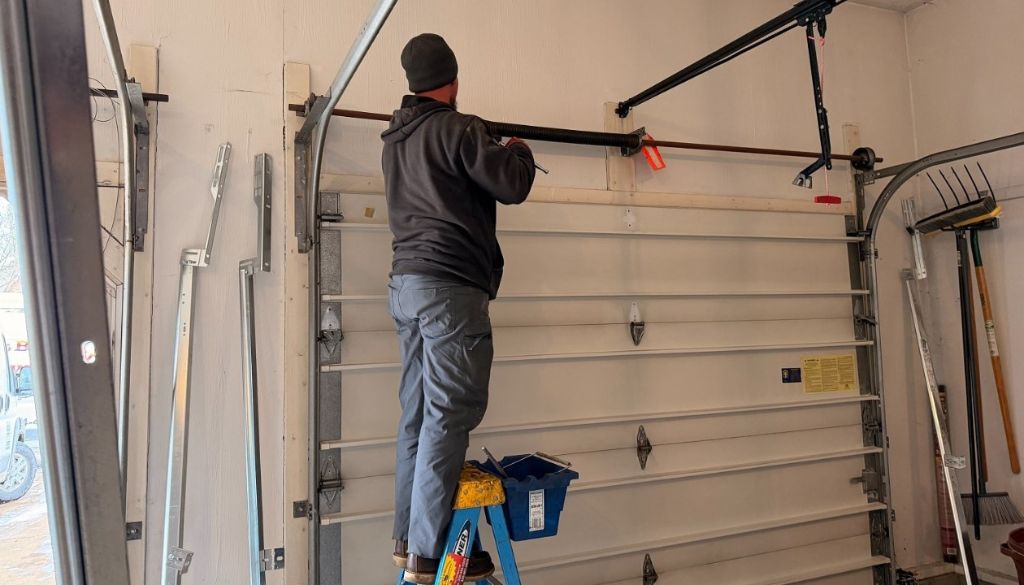
- Clean tracks and rollers regularly: Dirt and debris in track rollers increase friction and cause wear. Cleaning once every six months is recommended.
- Lubricate moving parts: Apply a silicone-based lubricant to rollers, hinges, bearings, and the pulley system semi-annually to reduce noise and friction.
- Inspect rollers annually: Look for cracks, rust, or flattened wheel bearings that signal the need for replacement.
- Adjust door springs and tension: Proper door balance reduces load on rollers. Both torsion and extension springs should be checked and adjusted if necessary, preferably by a professional.
- Maintain weather seals and door stoppers: These prevent debris and moisture from entering tracks, protecting rollers and tracks from corrosion and blockage.
- Monitor garage door noise: Sudden increases in noise often indicate roller wear or need for lubrication.
Consistent upkeep of these key components ensures smoother garage door operation year-round.
When Should I Consider Hiring a Professional for Garage Door Roller Replacement?
While many homeowners successfully replace rollers themselves, some situations call for expert intervention for safety and optimal results:
- Dealing with high-tension springs: Torsion springs and cable drums store dangerous amounts of energy. Improper handling can cause serious injuries.
- Complex automatic garage door systems: Doors equipped with integrated motors, chain or belt drives, and advanced opener settings may require recalibration after repairs.
- Severe track or hinge damage: Misaligned or bent tracks often need specialised tools and skills to realign properly.
- Combined repairs: Roller replacement alongside garage door spring adjustment, cable replacement, or opener servicing is best handled by licensed technicians.
- Lack of tools or experience: Without correct tools such as drills, wrenches, and safety equipment, DIY projects can become hazardous.
Engaging a professional garage door service guarantees safety compliance, precise adjustments, and durable repairs.
How Do Different Types of Garage Door Rollers Affect Performance?
Nylon rollers offer quieter operation thanks to their softer material and smooth bearings, making them ideal for residential garage doors prioritising silent opening and closing. They also provide better garage door insulation by reducing vibrations transmitted through the door panel.
Steel rollers, while louder, excel in durability and strength, suited for heavy garage doors or commercial roller doors that endure frequent use. They resist deformation better over time but may contribute to increased garage door noise. Both types require regular lubrication and proper alignment to perform optimally.
How to Align Garage Door Tracks After Roller Replacement?
Proper garage door alignment ensures smooth travel by preventing rollers from binding or stressing hinges and springs. After installing new rollers:
- Inspect the garage door tracks for any dents or bends and straighten using a rubber mallet if needed.
- Check that tracks are level and parallel along the door frame.
- Tighten mounting brackets but allow slight flexibility so the tracks can adjust slightly during door operation.
- Test manual door movement to detect any sticking points and make incremental track adjustments as necessary.
- Ensure door tension is balanced to avoid excessive force on the rollers and door panels.
Understanding Garage Door Spring Types and Their Impact on Roller Wear
Garage doors commonly utilise either torsion springs mounted above the door or extension springs located on the sides. Both control door balance and tension to allow smooth lifting.
If springs are improperly adjusted, the door may hang unevenly or pull excessively on certain rollers, accelerating their wear or causing bending in tracks and hinges. Regular garage door spring adjustment by a professional can vastly improve door balance, extending roller life and enhancing overall door performance.
Frequently Asked Questions (FAQ)
Q1: How long do garage door rollers typically last?
A: Garage door rollers generally last between 7 to 12 years depending on the roller material (nylon vs steel), the frequency of door use, and how well the rollers are maintained through cleaning and lubrication.
Q2: Can I replace garage door rollers without removing the door?
A: Although possible in some cases, it is strongly recommended to fully open and securely clamp the door or remove it for safer and easier access to rollers. Working on a closed or unsecured door increases risk of accidents.
Q3: What is the difference between nylon and steel rollers?
A: Nylon rollers offer quieter operation and smoother movement but tend to wear faster. Steel rollers are more durable and better suited for heavy doors but can increase noise levels during operation.
garage door repairs near meQ4: How do I know if my garage door rollers need replacing?
A: Signs include loud squeaking noises, jerky or slow door movement, visible cracks or flat spots on rollers, rust, and difficulty in opening or closing the door smoothly.
Q5: Is lubricating rollers enough to fix a noisy garage door?
A: Lubrication can reduce noise caused by friction, but if rollers are worn, cracked, or damaged, replacement is necessary for restoring smooth and quiet operation.
Q6: What precautions should I take when working near garage door springs?
A: Garage door torsion and extension springs are under high tension and can cause severe injuries if mishandled. Only attempt adjustments or repairs if you have proper training and tools. Otherwise, always hire a professional technician.